


Relaxed PC Gaming: Fun Simple Titles for New Players and Low Stress Enjoyment



Table Of Content
- What Makes a PC Game Good for Beginners?
- Low Pressure Gameplay with No Punishing Time Limits
- Clear Controls and Intuitive On-Screen Guidance
- Ability to Play in Short Sessions and Save Progress Anywhere
- Adjustable Difficulty Settings to Match Your Skill Level
- Relaxing and Creative Games to Unwind With
- Stardew Valley: Build Your Farm at Your Own Pace
- Question-Answer
- I get stressed by complicated controls. Are there any good games I can play with just a mouse?
- My laptop isn’t new or powerful. What are some enjoyable games that will run on basic hardware?
- I only have short breaks to play. What are some PC games I can pick up and put down quickly?
- I’m looking for a game to relax with after work, not something competitive or scary. Any suggestions?
- Are there any easy PC games that are still fun to play with a friend who is also new to gaming?
- I get stressed by complicated controls. What are the easiest games to just pick up and play?
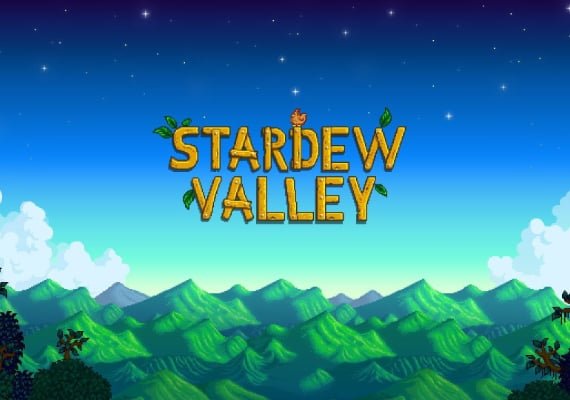
If you’re new to digital entertainment, begin with Stardew Valley. This pastoral sandbox adventure is a masterclass in accessible design, offering a profound, nonviolent experience centered on building a farm, forging relationships, and exploring at your own pace. Its gentle tutorial seamlessly integrates you into the world, and the game runs flawlessly on nearly any low-spec machine, making it a universal entry point.
For those seeking immediate, relaxing engagement, titles like Dorfromantik or Unpacking provide perfect sessions. These are intuitive worlds where success is measured by creative satisfaction rather than reflexes. They fully support a controller, allowing you to lean back and enjoy the process of tile-laying or organizing belongings without pressure, proving that depth doesn’t require complexity.
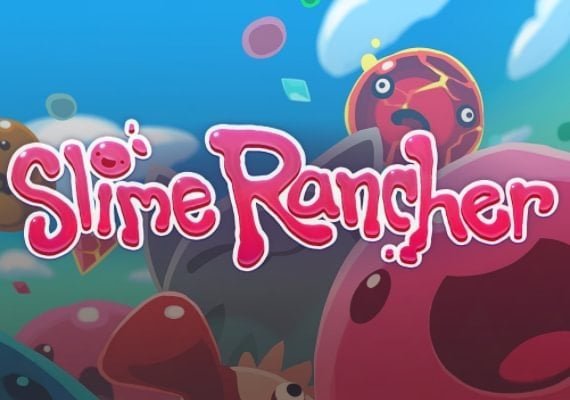
The beauty of the modern library is its wealth of titles engineered for gradual skill acquisition. Slime Rancher wraps a first-person exploration loop in a vibrant, friendly aesthetic, while Minecraft in its Creative mode offers the ultimate stress-free digital playground. These environments prioritize discovery and experimentation, providing clear goals without punishment, ideal for building confidence and understanding core gaming concepts in a self-directed manner.


What Makes a PC Game Good for Beginners?
Prioritize titles with a gentle learning curve and clear, integrated guidance. A well-designed tutorial that teaches mechanics organically during early gameplay is far more effective than a static manual or overwhelming information dump.
Look for these key structural features that lower the barrier to entry:
- Forgiving Progression: Mechanics like unlimited retries, generous autosaves, adjustable difficulty sliders, and the absence of severe penalties for failure reduce frustration.
- Intuitive Controls & Input Flexibility: Games that support a familiar controller layout or offer simple keyboard bindings are instantly more accessible. Input remapping is a major plus.
- Clear Objectives & Pacing: A focused main path or a digestible set of immediate goals prevents feeling lost. The action should allow for breaks without losing progress.
Genre and tone are equally important for a positive first experience. Many newcomers gravitate towards nonviolent or creatively focused genres that emphasize expression over competition. A sandbox mode, where one can experiment without pressure, is an excellent tool for building confidence. Similarly, titles with a relaxing atmosphere or a strong family-friendly aesthetic often provide a comfortable, low-stakes environment to learn.
Ultimately, a strong entry-level title respects the player’s time and agency, offering satisfaction in short sessions and the freedom to engage with its systems at their own pace, defining the modern casual experience.
Low Pressure Gameplay with No Punishing Time Limits
Consider Stardew Valley, a quintessential title where your only schedule is the self-imposed one of tending crops, fishing at dusk, or exploring caves entirely at your own pace. This nonviolent, family-friendly experience epitomizes the genre, allowing players to progress through seasons and relationships without fear of failure from a ticking clock.
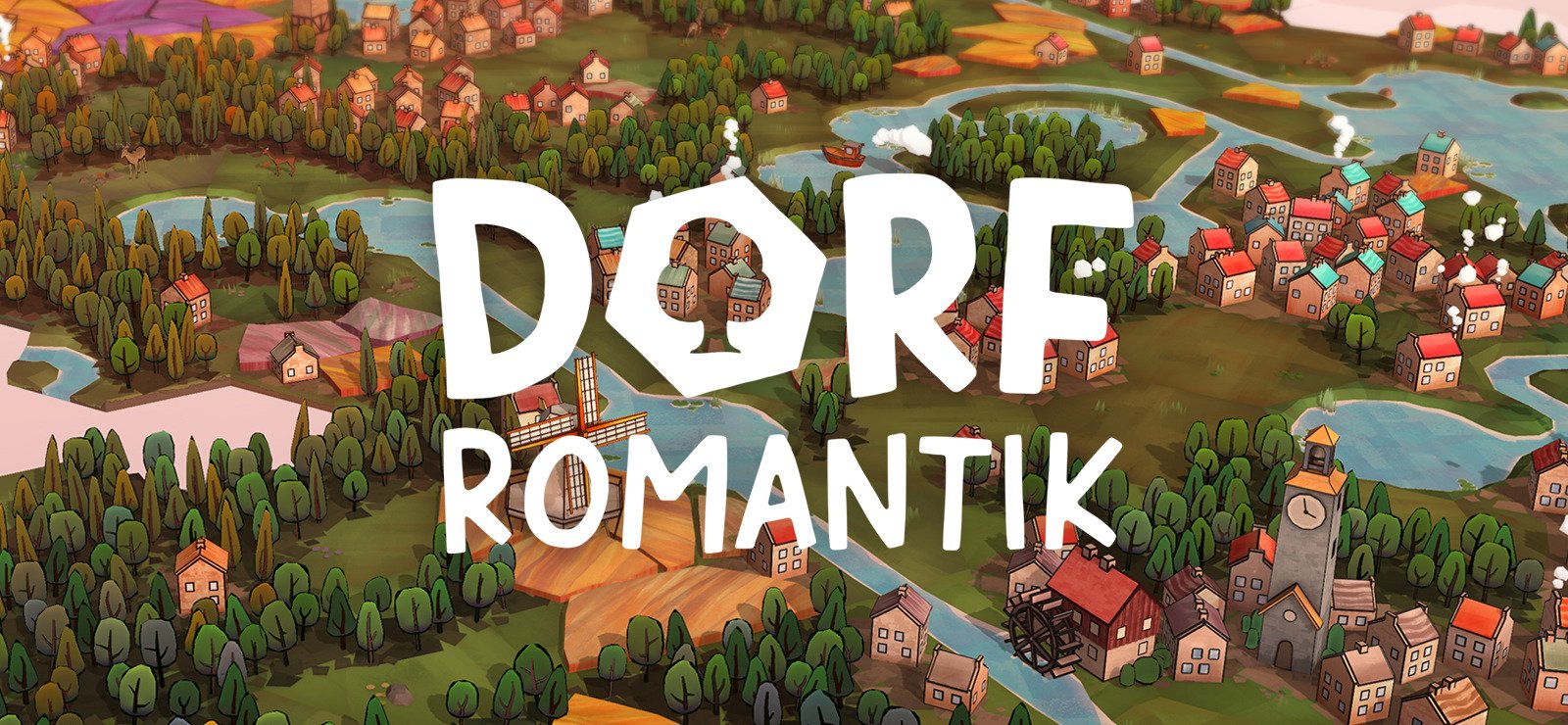
For those seeking pure digital zen, Dorfromantik offers a perfect puzzle. Players place hexagonal tiles to create a serene landscape, with objectives that gently guide rather than demand. Its low-spec requirements and intuitive design make it profoundly accessible and relaxing, ideal for short sessions or hours of uninterrupted flow.
The creative sandbox of Unpacking provides a uniquely meditative session. Gameplay involves removing belongings from boxes and placing them in a new home, telling a subtle story through environmental storytelling. It’s a title fully compatible with a controller, best enjoyed in a single, peaceful sitting with zero pressure.
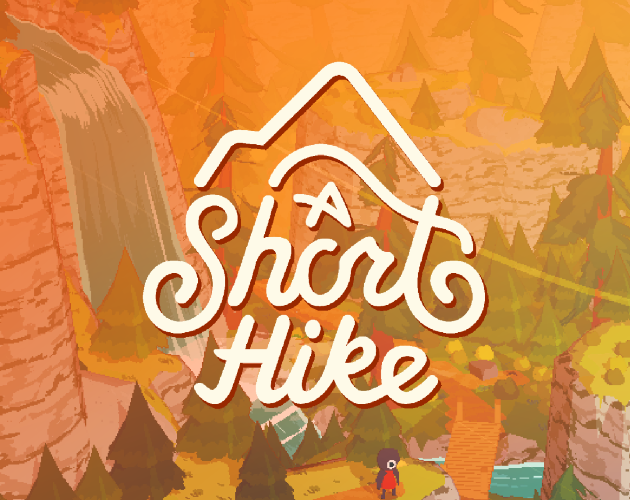
If exploration calls, A Short Hike delivers a compact open world on a peaceful island. The objective is simple–reach the summit–but the journey is filled with optional characters and hidden treasures. Its charming visuals and forgiving mechanics cater perfectly to an audience seeking a casual, uplifting adventure free from stress.
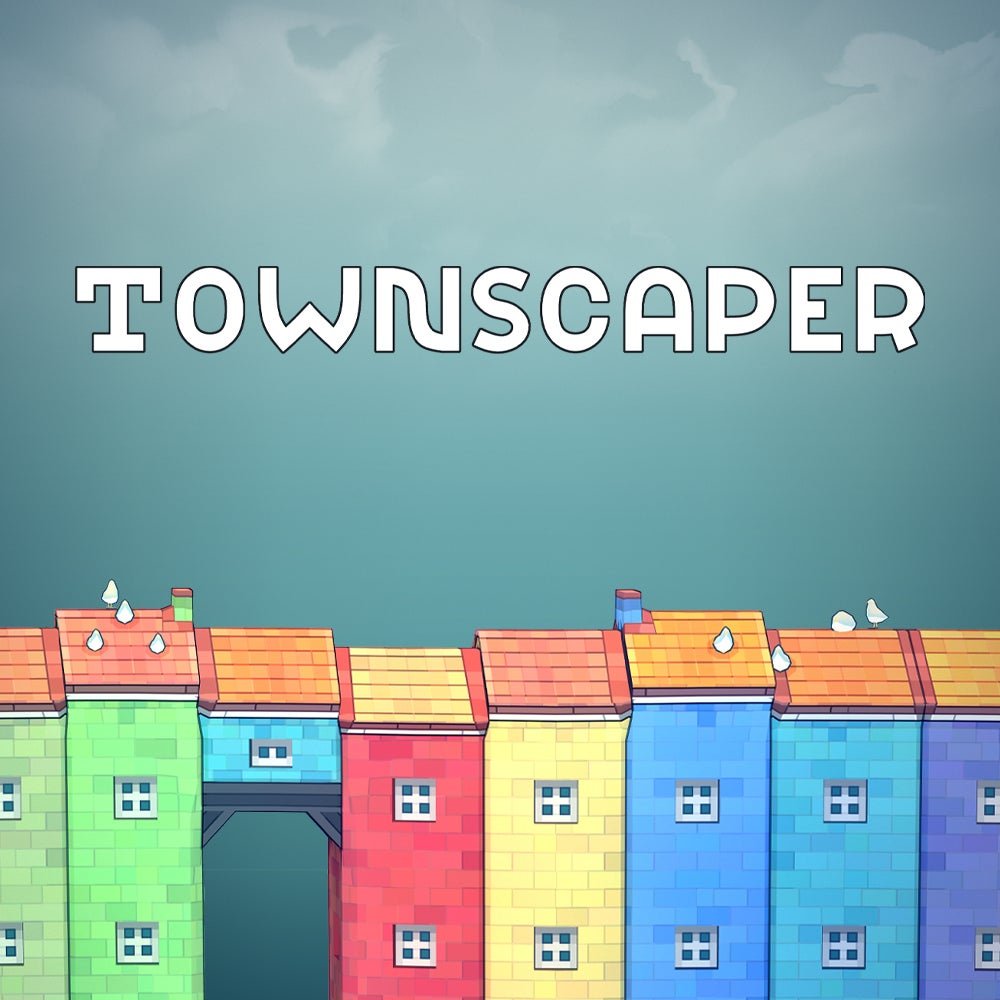
For architectural creativity, Townscaper is a standout tool-like entry. Clicking on a grid automatically generates charming houses, arches, and stairways over the sea. There are no goals, resources, or wrong answers, only the immediate, satisfying feedback of building a picturesque town, making it supremely accessible for all.
Clear Controls and Intuitive On-Screen Guidance
Start with titles like Stardew Valley or Unpacking, where every action–from planting seeds to placing household items–is mapped to a single mouse click or a straightforward controller button. This design philosophy removes the barrier of memorizing complex command combinations, making the experience immediately accessible.
Modern nonviolent and family-friendly titles excel at integrating learning into the core experience. A game like Dorfromantik provides constant, gentle visual feedback as you place tiles, teaching its rules through doing rather than lengthy manuals. Look for a seamless tutorial that unfolds organically within the first minutes of gameplay, guiding you without pausing the action or breaking immersion.
For those with older hardware, low-spec friendly options such as Slime Rancher (on peaceful mode) offer clear, persistent on-screen prompts and a control scheme that is easy to master. The relaxing pace of a creative sandbox like Terra Nil is bolstered by its crystal-clear interface, where every tool’s function is visually communicated, eliminating guesswork and fostering a sense of calm, purposeful engagement.
Ability to Play in Short Sessions and Save Progress Anywhere
For those with limited time, Stardew Valley is a prime example of a title built for intermittent engagement. Its day-night cycle lasts roughly 12-20 real-time minutes, creating a perfect natural stopping point. You can tend a few crops, chat with one villager, and save your progress by simply going to bed, feeling a tangible sense of accomplishment without a major time commitment.
Modern low-spec titles often feature robust, frequent autosave systems or allow manual saving at any moment. Dorfromantik is a peaceful tile-placement sandbox where each session is just placing a handful of hexagons; you can quit instantly and return to the exact same, growing landscape. This design respects the player’s schedule, removing the anxiety of losing progress.
The integration of a controller support further enhances this accessible experience, allowing for a more relaxing posture away from the desk. A game like Unpacking uses this control scheme perfectly for its nonviolent, meditative gameplay, where each level is a single room you can complete in one short sitting, with progress saved automatically after every item placed.
Look for experiences that forgo long narratives in favor of modular tasks. PowerWash Simulator lets you clean a single object–a filthy backyard gnome or a whole fire truck–in one session. The tutorial is minimal, and the game saves after every nozzle swipe, making it supremely casual and interruptible. This “pick-up-and-play” structure is ideal for fitting entertainment into life’s brief pauses.
Adjustable Difficulty Settings to Match Your Skill Level
Seek out titles with granular sliders for individual mechanics, like separate controls for puzzle timing, combat aggression, and resource abundance. This approach, found in many modern role-playing and simulation titles, allows for a truly personalized experience far beyond a simple “Easy/Normal/Hard” toggle.
For a true test of adaptable systems, explore the sandbox mode in city-builders or life simulators. These environments remove failure states entirely, letting you learn complex systems at your own pace without pressure, perfect for a relaxed, casual session. They are also typically low-spec friendly.
Prioritize software that remembers your preferences per save file. A robust tutorial should remain accessible from the menu even after completion, allowing for a refresher on specific mechanics. This ensures guidance is always available when tackling a new challenge.
Don’t overlook peripheral support; a game that seamlessly switches between mouse, keyboard, and controller input can dramatically affect comfort and precision. This flexibility is a key component of an accessible design, accommodating different physical preferences and making complex controls more manageable.
Investigate community-created mods for older or more challenging titles, which often include difficulty modifiers and quality-of-life fixes. These player-made adjustments can transform a daunting classic into a more welcoming journey tailored to your current skill level.
Relaxing and Creative Games to Unwind With
Stardew Valley offers a perfect blend of routine and freedom, where tending crops, fishing, and building relationships in a charming pixel-art world becomes a meditative escape. Its gentle pace and lack of mandatory objectives provide a truly accessible experience for anyone seeking a digital haven.
For pure creative expression, consider a sandbox like Townscaper. With a single click, you build intricate, pastel-colored island towns on a serene sea; there are no goals, resources, or failure states, only the satisfying click of architecture forming. Similarly, Dorfromantik tasks you with placing hexagonal tiles to create a peaceful, ever-expanding countryside, a puzzle that rewards calm strategy over speed.
These titles often feature an integrated tutorial that feels like a natural part of the world, not a rigid lesson. In A Short Hike, you learn controls by simply exploring a sun-drenched park and chatting with its animal inhabitants, with the core objective–reaching the summit–serving as a gentle suggestion rather than a demand.
| Title | Core Activity | Creative Focus |
|---|---|---|
| Stardew Valley | Farming & Community | Farm Layout, Home Decoration |
| Townscaper | Instant Architecture | Urban Aesthetics & Town Design |
| Unpacking | Organizing Belongings | Spatial Puzzle & Storytelling |
| Planet Zoo | Wildlife Park Management | Detailed Habitat & Scenery Creation |
Unpacking turns the simple act of organizing items from moving boxes into a wordless narrative puzzle and a surprisingly calming activity. The satisfaction comes from finding the perfect place for each object, creating order from chaos. For those drawn to more systematic creation, Planet Zoo provides incredibly detailed tools to craft naturalistic habitats, where watching animals thrive in your designed environment is the primary reward.
The key to this category is player agency over pressure. You are never working against a punishing clock or strict rules, but rather following your own curiosity. Whether it’s arranging a digital bookshelf, painting a landscape with terrain tools, or watching a virtual ecosystem you built come to life, the experience is defined by its restorative and imaginative potential.
Stardew Valley: Build Your Farm at Your Own Pace
Stardew Valley offers a compelling alternative to high-intensity titles, providing a complete and satisfying experience centered on personal goals and creative freedom.
The core loop is immediately accessible: you inherit an overgrown plot and transform it. Each day, you choose your focus without pressure.
- Core Activities: Cultivate crops, raise animals, mine for resources, fish in varied locations, and build relationships with over 30 unique townspeople.
- Key Mechanics: The game operates on a clear in-day clock and seasonal calendar. Energy management is a gentle initial challenge, solved by crafting better tools, finding food, or leveling skills.
- Progression Systems: Five core skills (Farming, Mining, etc.) level up through use, unlocking essential crafting recipes and proficiencies that make tasks more efficient.
Its structure is inherently self-directed. There is no fail state for missing an event or taking a year to complete a community task. The game’s systems are deep but revealed gradually.
- Short Sessions Work: A single in-game day lasts about 12-14 real-world minutes, creating a perfect natural stopping point. The save system activates automatically when you sleep.
- Guidance Without Hand-Holding: The “Journal” tab tracks active quests and long-term “Help Wanted” requests. The “Collections” menu shows discovered items, fish, and artifacts, providing clear goals.
- Personalized Difficulty: While there are no traditional difficulty sliders, you can tailor the challenge. Choose the “Remixed” Community Center bundles, opt for the faster-profit JojaMart route, or use the settings to toggle tool hit indication and menu backgrounds for clarity.
The experience is remarkably cohesive. A day might involve tending to your saplings in the morning, foraging in the forest in the afternoon, and attending a village festival in the evening. The soundtrack and pixel-art visuals create a consistently relaxing atmosphere. Multiplayer allows you to invite others to collaborate on your farm, sharing the workload and profits.
Question-Answer:
I get stressed by complicated controls. Are there any good games I can play with just a mouse?
Absolutely. Many beginner-friendly games are designed for mouse-only play. A perfect example is “Plants vs. Zombies.” This tower defense game is entirely controlled by clicking to place plants that defend your house. It’s humorous, strategic, and very forgiving for new players. Another great option is “Stardew Valley.” While it supports keyboard shortcuts, you can plant crops, fish, and explore the entire world using just the mouse. Point-and-click adventure games like “Monkey Island” or “Machinarium” are also built around this simple control scheme, making them ideal for relaxed play.
My laptop isn’t new or powerful. What are some enjoyable games that will run on basic hardware?
Many fantastic games have low system requirements. “Stardew Valley” is a prime choice; its pixel-art style is charming and not demanding. “Terraria” is a 2D sandbox adventure that runs on most systems and offers hundreds of hours of exploration and crafting. Classic puzzle games like “Bejeweled” or “Bookworm” are also easy to run. For a narrative experience, text-based games or visual novels like “Emily is Away” place almost no strain on your computer. You can often check the “Minimum System Requirements” on a game’s store page to be sure it will work.
I only have short breaks to play. What are some PC games I can pick up and put down quickly?
Games with short, self-contained levels or sessions are perfect for this. “Dorfromantik” is a peaceful tile-placing game where each session can be as long or short as you like. “Vampire Survivors” has runs that last a maximum of 30 minutes, but you can stop anytime. Puzzle games are excellent for short breaks; “Hexcells Infinite” or “LYNE” offer logical puzzles you can solve in minutes. Roguelike games such as “Slay the Spire” are turn-based, so you can play a few turns, save, and quit without losing progress.
I’m looking for a game to relax with after work, not something competitive or scary. Any suggestions?
Several games are designed specifically for relaxation. “Unpacking” is a zen puzzle game about unpacking belongings in a new home—it’s quiet, satisfying, and tells a story without words. “A Short Hike” lets you explore a small island park at your own pace, talk to characters, and simply enjoy the scenery. “Coffee Talk” has you running a café, listening to customers’ stories in a rainy city. “Abzu” is a beautiful underwater exploration game with no enemies or threats, just swimming with fish. These titles focus on atmosphere and gentle interaction.
Are there any easy PC games that are still fun to play with a friend who is also new to gaming?
Yes, cooperative games can be a great shared experience. “Overcooked! 2” is a chaotic cooking simulator that is simple to learn but requires teamwork; its silly nature makes failure fun. “Stardew Valley” has a full co-op mode where you can farm together. “Portal 2” has a separate co-op campaign with brilliant puzzles that require communication and creative thinking. For a calmer time, “Minecraft” on Peaceful mode lets you build and explore together without pressure. These games focus on working together rather than competing against each other.
I get stressed by complicated controls. What are the easiest games to just pick up and play?
Many great games use simple controls or mouse-only input. A perfect example is “Stardew Valley.” You move with a few keys and interact with everything using just one mouse button. The game explains things slowly, and there’s no pressure to act quickly. “Dorfromantik” is even simpler, using only mouse clicks to place tiles and create a peaceful landscape. For a story-driven experience, “Life is Strange” mainly requires you to point, click, and make occasional dialogue choices, letting you focus on the narrative without fighting complex mechanics.


