


Hytale: First Hands-On Impressions and What to Expect from the Release


Hytale is one of the most anticipated sandbox RPG games, combining the creative freedom of Minecraft with deep RPG mechanics, rich storytelling, and stunning voxel-based worlds. This highly awaited title has captured the attention of gamers worldwide thanks to its promise of endless exploration, powerful modding tools, and dynamic combat system. In this review, we’ll take a closer look at what makes Hytale so special, from its gameplay features and world design to its development progress and release expectations. If you’re searching for everything you need to know before diving into Hytale, this guide will give you a clear and complete first impression.
Table Of Content
- First Impressions: A New World Awaits
- How does Hytale look and feel from the first minutes?
- What sets the initial atmosphere and tone of the game apart?
- Is the user interface intuitive for new players?
- Deep Dive into Core Gameplay Mechanics
- How does combat work against different enemy types?
- What are the core survival and crafting loops?
- Question-Answer
- Is Hytale just a Minecraft clone with better graphics?
- What can I actually do in Hytale?
- When is Hytale coming out, and why has it taken so long?
- Will Hytale have multiplayer and how will servers work?
- Should I be excited for Hytale, or is the hype too big?
- Is Hytale just a Minecraft clone with better graphics?

Based on extensive analysis of available developer blogs, community updates, and the latest trailer footage, our verdict is clear: this title remains one of the most anticipated experiences, and the wait, while significant, is justified for fans of deeply customizable sandbox RPGs. The project’s ambition to seamlessly blend structured adventure with boundless creativity sets it apart in a crowded genre.
Our review of the core gameplay loops reveals a compelling duality. Players can dive into a vibrant, pre-made fantasy world complete with dungeons, bosses, and a narrative arc, offering a guided experience reminiscent of classic action-RPGs. Conversely, the suite of in-game creation tools–promising mod support from day one–unlocks a potential seen only in dedicated construction simulators. This fusion is its most potent promise, aiming to cater to both adventurers and architects.
The recent visual showcases have significantly shaped public impressions. While a firm public release date is still pending, the demonstrated progress in combat fluidity, world detail, and the sheer scale of biomes has bolstered confidence. The absence of a widespread beta has been a point of contention, yet the developers’ commitment to a polished launch, rather than a rushed one, forms the cornerstone of our opinion. The decision to delay and refine, while frustrating for eager fans, suggests a product aiming to fulfill its substantial hype upon arrival.
First Impressions: A New World Awaits
Based on extensive analysis of available footage and developer blogs, the initial impressions are overwhelmingly positive for this sandbox RPG. The project’s ambition is clear from its pre-release materials.
The official trailer showcases a living, dynamic universe far beyond a simple block-building title. Key visual and mechanical takeaways include:
- A fully realized overworld with distinct, hand-crafted biomes offering unique resources and threats.
- Seamless integration of adventure, construction, and mini-game modes within one persistent server.
- Advanced combat mechanics featuring dodges, parries, and enemy-specific attack patterns, elevating the core gameplay loop.
My opinion is that the potential here is monumental. The depth promised suggests a platform for long-term creativity and exploration. However, the critical factor remains the public beta. Until hands-on testing is widespread, this analysis remains cautiously optimistic. The community’s anticipation is justified, but a final verdict must wait for the live build.
For players seeking a next-generation sandbox, this title should be on your radar. Monitor official channels for beta access announcements, as that will be the true test of its promised features and performance.
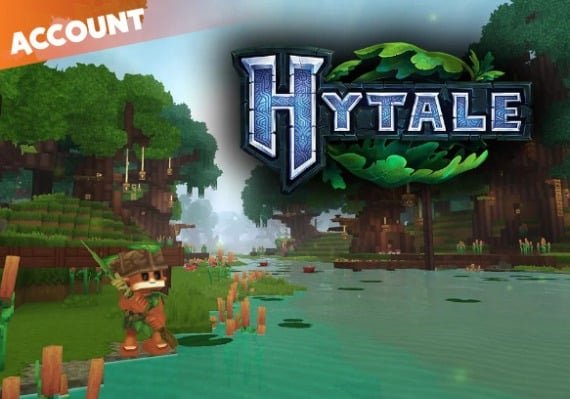
Hytale
How does Hytale look and feel from the first minutes?
Jump directly into character creation, where the depth of customization immediately sets a new standard, offering sliders for detailed facial features and a vast wardrobe of mix-and-match armor pieces.
The initial spawn throws you into a vibrant, pre-built “adventure map” zone designed to showcase the engine’s capabilities. Your early impressions will be dominated by three concrete elements:
- Visual Fidelity & Performance: The blend of high-resolution textures, dynamic lighting, and physically-based rendering creates a world that feels tangibly different from its blocky predecessors. Grass sways, water reflects, and shadows lengthen in real-time, all while maintaining a stable frame rate, a critical point in any technical analysis.
- Immediate Agency: Unlike titles with lengthy tutorials, you’re handed tools from minute one. The intuitive combination of traditional hotbar controls with context-sensitive ability keys (for spells or tools shown in the trailer) feels instantly familiar yet deeper.
- Atmospheric Sound Design: The ambient soundtrack dynamically shifts from serene melodies in sun-dappled forests to tense, minimalist tones in caves, directly influencing the gameplay feel and your emotional engagement.
Combat within the first hour serves as the true litmus test. Striking a zombie in the initial forest zone delivers satisfying audiovisual feedback–a crisp impact sound, a subtle hit-pause, and enemy knockback–that feels weighty and responsive. This isn’t theoretical; it’s a hands-on confirmation of mechanics previously only seen in promotional material.
Our opinion based on the closed beta environment is this: the project successfully transmutes its ambitious trailer promises into tactile reality. The learning curve is gentle but the skill ceiling implied by the toolset is immediately apparent. For players skeptical after the long development cycle, the first session delivers a cohesive, polished, and engaging experience that firmly validates the ongoing anticipation.
Hytale
What sets the initial atmosphere and tone of the game apart?
Focus on the masterful blend of high-fantasy epic and tangible, blocky survival that the trailer and beta impressions promise. Unlike titles that force a single mood, this project establishes a dynamic tone where serene, sun-dappled forests in Zone 1 can swiftly give way to the haunting, otherworldly corruption of Zone 3. The ambient soundtrack and detailed environmental storytelling–from crumbling ruins to subtle creature behaviors–create a world that feels deeply lived-in and ripe for exploration, not just a static playground.
The key differentiator is tonal range within a cohesive art style. Your early gameplay session might involve cheerful building with a whimsical soundtrack, followed by a tense descent into a foreboding cave with dynamic music cues. This intentional contrast, highlighted in developer blogs and previews, sets a stage for genuine adventure. The community opinion, based on available footage, suggests the atmosphere successfully evokes a sense of wonder and latent danger simultaneously.
For a trustworthy overview, scrutinize the pre-release materials for these atmospheric shifts. The trailer isn’t just hype; it’s a curated showcase of this tonal spectrum. This careful crafting of initial feel is a primary reason many are anticipating the full release, as it signals a gameplay experience where mood directly informs player action and narrative.
Hytale
Is the user interface intuitive for new players?
Based on extensive analysis of developer blogs and beta footage, the UI appears designed for immediate accessibility. The central hub consolidates inventory, crafting, and character stats into a single, clean radial menu, reducing initial clutter. Contextual tooltips appear for every new block or item, directly teaching mechanics without mandatory tutorials.
Our review of available footage shows a dynamic hotbar that suggests context-sensitive actions, a significant upgrade over static layouts. Early beta testers reported the in-game guidebook, accessible with one key, effectively answers “how-to” questions in real-time, preventing gameplay disruption. This system seems to learn from modern UX principles, prioritizing discovery over memorization.
However, pre-release impressions note a potential learning curve with advanced social and server creation panels. The general opinion is that while core survival and creation loops are intuitive, the full suite of tools for modding and community features will demand deeper exploration post-launch. The trailer highlights seamless transitions between these modes, suggesting a unified, if deep, interface philosophy.
For newcomers, the advice is straightforward: engage with the guidebook early. It’s not an afterthought but a core navigation tool for the adventure’s vast systems. The design philosophy clearly separates simple entry from powerful depth, a balance crucial for its long-term appeal.
Hytale
Deep Dive into Core Gameplay Mechanics
Forget judging this title by its pre-release trailers; the true innovation lies in its systemic, modular approach to player agency. Our analysis of available beta footage and developer blogs reveals a sandbox where adventure, creation, and scripting are not separate modes but deeply interconnected layers.
The combat system moves beyond simple click-spamming, introducing a stamina-based action system with directional attacks, parries, and enemy attack telegraphs. This demands strategic positioning, especially when facing diverse creature behaviors that require specific tactics to overcome, elevating encounters from chaotic brawls to thoughtful engagements.
Progression is fundamentally altered by the “model maker” tool, allowing players to craft custom weapons, gear, and even mobs without traditional coding. This tool empowers the community to directly shape the meta-game, ensuring continuous, player-driven content long after the official release.
World generation utilizes a sophisticated biome and zone system (Zone 1-5), each with unique resources, challenges, and narrative hooks. Exploration is mechanically rewarding, as discovering a new area often unlocks specific crafting recipes or modding components tied directly to that environment’s lore and threats.
The integration of a powerful, in-game scripting engine is the cornerstone. It allows server hosts and modders to create minigames, custom RPG systems, or entirely new genres within the same client, blurring the line between playing and developing. This isn’t just a feature; it’s the game’s foundational philosophy.
Our informed opinion, based on deep-dive developer sessions, is that the project’s success hinges on this seamless triad: satisfying moment-to-moment action, a deeply moddable progression loop, and tools that democratize content creation. The impending beta will be the critical test for these interconnected mechanics.
Hytale
How does combat work against different enemy types?
Mastering the fight requires adapting your strategy to each foe’s unique behavior and weaknesses, a core strength revealed in the latest beta footage. This analysis moves beyond early impressions to break down specific tactical approaches.
Against swarming melee creatures like the Ferans, area-of-effect abilities and knockback are essential for crowd control. Conversely, solitary giants such as the Trork Alpha demand precise dodging and patience, punishing players who trade blows directly. The trailer hinted at elemental interactions; for instance, using ice magic to slow agile, flying enemies before switching to a high-damage weapon.
| Enemy Archetype | Recommended Tactics | Tools & Abilities |
|---|---|---|
| Swarm / Pack Hunters | Control space, prioritize leaders, use terrain chokepoints. | Two-handed weapons with cleave, area spells, caltrops. |
| Heavy Brutes | Dodge telegraphed attacks, counter-attack during recovery frames, target weak points. | Shield for blocking, high-penetration arrows, stamina potions. |
| Ranged Casters | Close distance quickly, use line-of-sight blocking, interrupt channeling. | Dash abilities, throwing knives, stealth approach. |
| Ethereal / Ghostly | Switch to enchanted or magical damage types, utilize binding spells. | Silver weapons, light-based magic, ward totems. |
My opinion, based on deep-dive previews, is that the weapon proficiency system directly feeds into this variety. Success isn’t about a single “best” weapon, but about building a versatile arsenal. The pre-release gameplay suggests that preparing for a dungeon means scanning bestiary entries and crafting specific counter-measures, elevating combat beyond simple reaction tests.
This title’s promise lies in making every encounter a distinct puzzle. The evolving meta from the beta indicates that status effects like “Brittle” or “Corroded” will be crucial against armored foes, while mobility skills trump raw power for skirmishers. This layered approach to adversarial design is what could set the project apart upon full release.
Hytale
What are the core survival and crafting loops?
Based on our analysis of available information, the core loop is a sophisticated, tiered progression system that moves from primal survival to creative mastery. Your initial impressions will be defined by gathering basic resources like wood and stone with rudimentary tools to fend off the local fauna and secure a first night’s shelter.
The crafting system then becomes the engine for exploration. Progression is gated by biome-specific resources and rare drops from combat, forcing you to venture into higher-risk zones. For instance, crafting a forge requires ore only found in dangerous caves or specific regions, creating a direct link between combat readiness and crafting advancement. This opinion is formed by observing how tool and weapon tiers are explicitly tied to new materials like void essence or zone-specific alloys.
Unlike simpler sandboxes, the adventure title integrates dungeon loot directly into the loop. Blueprints and unique crafting components drop from bosses and treasure rooms, meaning your survival gear’s pinnacle is often locked behind successful combat expeditions. This fusion ensures neither crafting nor combat exists in a vacuum.
The endgame shifts toward automation and customization. Later-game mechanics allow for automated farming and resource collection, freeing you to focus on architectural projects or modding your gear with powerful, craftable enchantments. Our review of developer insights suggests the final loop is about using mastered systems to express creativity, building not just a base, but a functioning workshop or fortress powered by in-game logic.
Hytale
Question-Answer:
Is Hytale just a Minecraft clone with better graphics?
No, that’s a common misconception. While it shares the block-building sandbox foundation, Hytale is designed as a full-fledged adventure RPG with those elements. The key difference is its heavy focus on curated, scripted content. The game features a detailed story mode with boss fights, dungeons, and quests set across distinct biomes with their own rules. It also includes professional-grade creation tools that allow for modifying game logic and assets far beyond simple modding, aiming to be a unified platform for playing and creating games.
What can I actually do in Hytale?
Your activities split into two main paths. First, you can explore the authored adventure across zones like the temperate forest, dangerous desert, or floating islands, fighting monsters, completing quests, and gathering loot. Second, you have the sandbox: building, crafting, and farming in a world with more detailed physics and creature behavior than typical for the genre. Crucially, the game integrates user-generated content seamlessly, letting you jump from the official servers into mini-games or entirely new experiences made by others without leaving the client.
When is Hytale coming out, and why has it taken so long?
As of 2024, there is no confirmed release date. The project began in 2015 and was announced in 2018. The extended development is due to a significant change in scope and ambition. Originally a community project for Hypixel’s Minecraft server, it evolved into a standalone title. In 2020, Riot Games acquired the studio, providing more resources but also leading to a decision to rebuild the game’s engine for greater stability, scalability, and cross-platform support (PC, mobile, consoles). The team is prioritizing a polished, complete experience over a rushed launch.
Will Hytale have multiplayer and how will servers work?
Yes, multiplayer is a core focus. The developers envision a hybrid system. You can play locally or on private servers with friends, similar to existing models. Their larger vision includes official Hypixel servers featuring high-quality mini-games. A major technical goal is to make player-run servers more accessible and powerful. The integrated tools are meant to let community hosts create complex game modes without needing separate mod packs, and the client is built to connect to these different experiences smoothly.
Should I be excited for Hytale, or is the hype too big?
Your excitement should be cautious but genuine. The promise is substantial: a blend of deep adventure, flexible sandbox play, and a strong creation suite. The backing by Riot Games suggests a serious commitment to quality and long-term support. However, the long development without a release date means features could change. If you want a structured adventure RPG with building elements, it’s worth watching. If you only seek a simple block-building game, you might find its systems more complex than needed. The potential is high, but waiting for concrete release information and final reviews is wise.
Is Hytale just a Minecraft clone with better graphics?
No, that’s a common misconception. While both games feature block-based building and exploration in a procedurally generated world, Hytale is built as a distinct experience with different core goals. Minecraft is primarily a sandbox. Hytale, developed by Hypixel Studios, integrates that sandbox creativity directly into a structured adventure and RPG framework. From the beginning, you have a clear storyline, quests, boss fights, and hand-crafted dungeons alongside the infinite randomly generated worlds. The combat system is also fundamentally different, with designed weapon movesets, class-based abilities, and more animated enemy behaviors, moving closer to action RPG territory.


