


Helldivers 2: Our Verdict on the Chaotic Cooperative Combat Experience


Our comprehensive review of Helldivers 2 dives deep into whether this explosive sequel earns its stripes as the pinnacle of team-based action. Moving to a thrilling third-person perspective, the gameplay delivers a brutal and chaotic symphony of friendly fire and overwhelming enemy forces that demands perfect teamwork. This analysis will break down how its core loop of frantic combat and strategic loadout management creates an unforgettable cooperative experience.
Table Of Content
- A Detailed Analysis of Gameplay, Value, and Community
- Core Pillars of the Experience
- Core Combat Loop and Mission Structure
- Deconstructing the Gameplay Pillars
- How Does the Stratagem System Work in Practice?
- Stratagem Categories & Team Roles
- Team Dynamics and Friendly Fire: A Burden or a Feature?
- The Double-Edged Sword of Chaos
- Progression and Unlockables: What’s the Long-Term Hook?
- Breaking Down the Reward Tracks
- Technical Performance and Cross-Play Functionality
- A Closer Look at Performance & Features
- Final Verdict: Who Should Enlist in 2026?
- Who Should Dive In?
- Q&A
- Is Helldivers 2 really that hard, or is it just frustrating?
- I don’t have a regular gaming group. Can I still enjoy Helldivers 2?
- How does the live service element work? Is it just a battle pass?
- Are the microtransactions and Super Credits pay-to-win?
- Is Helldivers 2 a good game to play solo, or is it strictly for co-op?

Initial impressions are dominated by the sheer intensity of its missions, where every dive feels like a desperate struggle for survival against endless bugs and automatons. The heart of the experience is its unparalleled multiplayer design, forging bonds through shared triumphs and hilarious, explosive failures. We examine how the progression system, with its rewarding unlocks and galactic war meta-game, successfully motivates squads to fight for a collective cause.
Ultimately, this review assesses whether Helldivers 2’s blend of challenge, camaraderie, and constant chaos sets a new standard. Is the journey through its hostile planets, managing stratagems and ammo with your squad, the definitive cooperative shooter experience? Our final verdict hinges on the perfect storm of its demanding combat, satisfying progression, and the pure, unadulterated joy of its shared multiplayer moments.
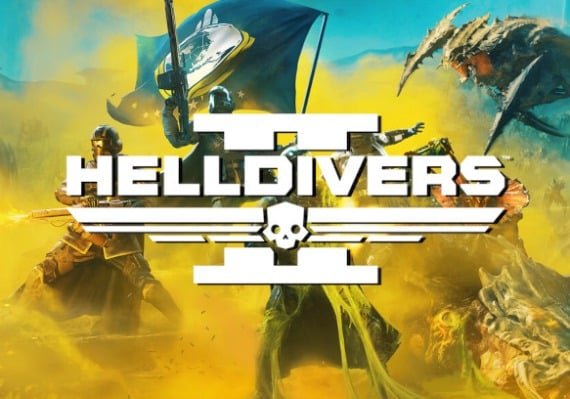
Helldivers 2
A Detailed Analysis of Gameplay, Value, and Community
Initial review impressions of Helldivers 2 rightly praise its core gameplay loop as a masterclass in chaotic, cooperative fun. The moment-to-moment combat is intense and demanding, requiring constant communication and teamwork to survive the relentless enemy swarms. This isn’t a solo endeavor; the entire experience is built around its multiplayer DNA, where every friendly-fire incident and strategically called-in airstrike becomes a shared story.
Beyond the initial chaos, a deeper analysis reveals a compelling progression system. Players earn requisition slips and samples to unlock new stratagems, weapons, and ship upgrades, which directly and meaningfully alter tactical options. This sense of growing power and variety is crucial, as it provides long-term goals and allows squads to specialize their loadouts for different mission types and difficulties, keeping the cooperative play fresh for dozens of hours.
Core Pillars of the Experience
The game’s value proposition is solidified by three interconnected pillars:
- Dynamic Gameplay: Procedurally generated objectives and enemy spawns ensure no two missions play out exactly the same.
- Meaningful Progression: The upgrade paths for your character and your ship provide tangible, rewarding goals.
- Shared Community Narrative: The Galactic War meta-game gives purpose to every mission, uniting the entire player base.
To illustrate how these elements interact, consider the following mission flow:
- Drop into a high-difficulty “suicide mission” with a coordinated squad.
- Navigate the challenging combat, utilizing your hard-earned stratagems.
- Complete primary and secondary objectives under severe pressure.
- Extract successfully, contributing rewards to both personal progression and the global campaign.
| Aspect | Analysis | Community Impact |
|---|---|---|
| Cooperative Play | Mandatory for success; fosters camaraderie and memorable moments. | Creates a positive, team-oriented player base. |
| Progression System | Rewarding and varied, encouraging experimentation. | Drives collective discussion on optimal builds and strategies. |
| Galactic War | A persistent, shared meta-campaign. | Unites players toward common goals, creating a living world. |
Ultimately, the review of Helldivers 2 must account for its phenomenal community engagement. The gameplay is the spark, but the shared struggle of the Galactic War is the fuel. This transforms it from a great cooperative shooter into a unique, persistent social experience where every player’s actions feel significant, cementing its value far beyond a simple multiplayer session.
Helldivers 2
Core Combat Loop and Mission Structure
At the heart of any review for Helldivers 2 is an analysis of its relentless and thrilling combat loop. The gameplay is a masterclass in controlled chaos, demanding constant communication and spatial awareness. Each mission drops you into hostile territory where every bullet, stratagem, and step must be coordinated. The impressions from a single session are intense: you are always outnumbered, managing ammunition, calling in support fire, and reviving teammates, which creates a uniquely satisfying and punishing cooperative experience.
The mission structure is brilliantly designed to reinforce this loop. Objectives are varied and often require the squad to split up or defend a point under overwhelming assault. This constant pressure makes success feel earned and failure a learning opportunity. The key question for many is whether this repetitive cycle is worth the investment. The answer lies in how the game expertly weaves its core mechanics into every objective, ensuring that no two missions ever play out exactly the same, especially when played with a dedicated multiplayer team.
Deconstructing the Gameplay Pillars
A deeper analysis reveals several interconnected pillars that define the experience:
- Cooperative Imperative: Friendly fire is always on, and stratagems are called with complex button inputs, making calm communication under fire essential.
- Combat Rhythm: The flow alternates between tense exploration, sudden overwhelming encounters, and frantic extraction sequences.
- Progression Hook: Earning samples and requisition slips to unlock new stratagems and upgrades provides a compelling reason to dive back in.
The following table contrasts the mission phases with their primary gameplay focus:
| Mission Phase | Primary Focus | Team Requirement |
|---|---|---|
| Insertion & Objective Spread | Tactical Planning & Resource Management | Coordination |
| Primary Objective Engagement | High-Intensity Combat & Area Control | Target Prioritization |
| Extraction | Survival Under Pressure | Unified Defense |
Ultimately, the worth of Helldivers 2 is measured by your appetite for this specific brand of brutal, teamwork-centric action. The impressions it leaves are lasting, built on stories of glorious last stands and hilarious team-killing mishaps that are best shared with friends.
Helldivers 2
How Does the Stratagem System Work in Practice?
In any review or analysis of Helldivers 2, the Stratagem system is rightfully highlighted as the game’s brilliant core. At its heart, it’s a cooperative multiplier disguised as a frantic input sequence. During combat, calling down an orbital barrage or a supply pack isn’t a simple button press; it requires tapping a directional code on the D-pad. This creates a fantastic tension where you are most vulnerable while summoning your greatest power, forcing true teamwork as squadmates cover you. The system transforms every support action into a moment of shared risk and reward, deeply embedding cooperative play into the moment-to-moment action.
Player impressions of the system are overwhelmingly positive, praising how it skillfully balances chaos with control. The progression loop is directly tied to unlocking new Stratagems, from sentry guns and eagle airstrikes to specialized weapons and defensive gear. This constant acquisition makes the multiplayer experience feel fresh and allows squads to experiment with synergistic loadouts. The key question for many is whether mastering this system is worth the initial frustration. The answer is a resounding yes, as it elevates simple call-ins into memorable, often hilarious, team-based moments of triumph or catastrophic friendly fire.
Stratagem Categories & Team Roles
The arsenal of Stratagems can be broadly categorized, allowing players to fill specific roles within a squad:
- Offensive: Orbital strikes, eagle runs, and heavy weaponry for dealing with major threats.
- Defensive: Automated sentries, shield generators, and minefields for area denial.
- Supportive: Resupply packs, reconnaissance tools, and mobility aids like jump packs.
- Tactical: Smoke screens, EMS strikes that slow enemies, and other battlefield control options.
An effective squad’s loadout often includes a mix from each category. The strategic depth comes from coordinating these tools in the heat of battle.
| Situation | Example Stratagem Response | Team Coordination |
|---|---|---|
| Heavy Armor Patrol | Orbital Railcannon Strike | One player distracts, another inputs the code. |
| Defending an Objective | Autocannon Sentry & Supply Pack | Setting up overlapping fields of fire with a dedicated support. |
| Swarmed by Light Units | Eagle Cluster Bomb & Machine Gun Sentry | Creating space and then clearing the area efficiently. |
Ultimately, the Stratagem system is what makes Helldivers 2 more than just another multiplayer shooter. It demands communication, practice, and a sense of humor, forging a uniquely chaotic and satisfying cooperative combat experience that is absolutely worth learning.
Helldivers 2
Team Dynamics and Friendly Fire: A Burden or a Feature?
Any review of Helldivers 2 must grapple with its most defining and punishing multiplayer mechanic: pervasive friendly fire. This is not a minor bug or occasional accident; it is a core, intentional pillar of the gameplay. Every stratagem call-down, every errant burst of fire, and every misplaced explosive can instantly turn a teammate into a red mist. A superficial analysis might condemn this as a frustrating burden, but a deeper look reveals it as the very engine that drives the game’s exceptional cooperative tension.
The constant threat of team-killing fundamentally shapes combat and communication. It forces a level of spatial awareness and disciplined fire that is absent in most other shooters. Players must call out their shots, coordinate angles of attack, and carefully consider the placement of powerful orbital strikes. This transforms the gameplay from a mindless spray-and-pray into a tactical ballet where every move must be communicated. The question of whether this is worth the inevitable frustration is central to the game’s appeal.
The Double-Edged Sword of Chaos
The system creates unforgettable, emergent stories. A perfectly thrown stratagem that saves the squad is a moment of triumph, while a misplaced one that wipes the team becomes a shared, hilarious tragedy. This shared vulnerability is the glue of the cooperative experience, fostering a unique camaraderie through both success and catastrophic failure. It demands patience and turns progression into a journey of mastering not just enemy patterns, but also squad synergy and weapon control.
Ultimately, friendly fire in Helldivers 2 is a deliberate design feature, not an oversight. It is a high-risk, high-reward mechanic that perfectly complements the game’s satirical, brutal tone. It demands and rewards:
- Communication: Constant callouts are non-negotiable.
- Situational Awareness: Knowing where your allies are at all times.
- Discipline: Trigger discipline and thoughtful ability use.
The following table contrasts the perceived burdens with the resulting cooperative features:
| Perceived Burden | Resulting Cooperative Feature |
|---|---|
| Frustrating team kills | Forces tactical positioning and communication |
| Chaotic, unpredictable combat | Creates emergent, memorable stories |
| Punishes reckless play | Rewards careful planning and squad awareness |
For players seeking a casual power fantasy, this mechanic may indeed feel like a burden. But for those who crave a multiplayer experience where true teamwork is forged in the fire of self-inflicted chaos, it is the indispensable feature that makes Helldivers 2 uniquely worth mastering.
Progression and Unlockables: What’s the Long-Term Hook?
Any review of Helldivers 2 must dedicate significant analysis to its progression systems, as they form the core long-term motivation. The gameplay loop is brilliantly simple: complete missions, earn Requisition Slips and Medals, and return to your ship to unlock new stratagems, weapons, and armor. This steady drip-feed of new tools directly alters your approach to combat, making each unlock feel impactful. The immediate impressions are of a satisfying grind where every session contributes to making your soldier more versatile and deadly on the battlefield.
The true genius, however, lies in how this progression is woven into the multiplayer experience. Unlocking a powerful new orbital strike or a specialized support weapon isn’t just for personal glory; it makes your entire squad more effective. This creates a compelling social hook, as players discuss and coordinate which unlocks are worth pursuing next to tackle higher difficulties. The communal goal of fueling the Galactic War adds a meta-layer that makes individual progression feel part of a larger, shared effort.
Helldivers 2
Breaking Down the Reward Tracks
Players engage with two primary progression paths:
- Warbonds (Free & Premium): These are permanent battle passes offering a linear series of unlocks, including weapons, emotes, and armor with unique stat bonuses.
- Ship Modules: Upgrades purchased with Samples found in-mission, which passively improve your stratagems (shorter cooldowns, more explosions, etc.).
The table below contrasts these systems:
| System | Currency | Primary Focus |
|---|---|---|
| Warbonds | Medals | New Primary Weapons, Armor, Cosmetics |
| Ship Modules | Samples | Enhancing Stratagem Power & Utility |
Ultimately, the long-term hook is a powerful mix of personal customization and team-based necessity. The progression constantly refreshes the combat sandbox, ensuring that even after dozens of hours, there’s a new tool to master or a crucial upgrade to work towards with your squad.
Technical Performance and Cross-Play Functionality
Any cooperative shooter lives and dies by the stability of its online infrastructure, and the analysis of Helldivers 2‘s technical performance is a tale of two extremes. At launch, servers buckled under immense demand, hindering the core gameplay loop. However, subsequent patches have largely stabilized the experience, offering smooth combat and reliable matchmaking when servers are healthy. These technical impressions are crucial, as a dropped connection mid-stratagem strike can ruin an otherwise perfect mission.
The progression system is directly tied to this online functionality, rewarding players for successful missions. When the servers cooperate, the loop of completing objectives, earning rewards, and unlocking new gear feels incredibly satisfying and worth the time investment. The cross-play functionality between PC and PlayStation 5 deserves special praise, as it seamlessly unites friends across platforms with minimal fuss, which is absolutely essential for a game of this nature.
A Closer Look at Performance & Features
To better understand the technical and cooperative aspects, consider the following breakdown:
| Aspect | Status & Impression |
|---|---|
| Server Stability | Greatly improved post-launch; occasional strain during peak times. |
| Cross-Play | Flawless implementation; a major strength for player base unity. |
| Progression Sync | Rewards and unlocks track consistently across sessions when connected. |
| Combat Performance | Generally smooth and responsive, which is vital for the chaotic gameplay. |
In the final review, the question of whether the game is worth your time heavily depends on these technical factors. The core gameplay is exceptional, but its enjoyment is contingent on a stable cooperative foundation. When it works, Helldivers 2 delivers an unmatched co-op shooter experience.
Helldivers 2
Final Verdict: Who Should Enlist in 2026?
After an extensive review and many hours of intense combat, our final analysis is clear: Helldivers 2 remains a uniquely thrilling experience. The core loop of chaotic, friendly fire-filled battles is as compelling as ever. For players who thrived on its brand of strategic chaos at launch, the continued content support and active community make it easy to recommend jumping back in.
The long-term progression systems and frequent major orders provide a satisfying grind for dedicated squads. However, the game’s fundamental impressions have not changed; it is an experience defined entirely by its social, team-based nature. This is the crucial factor for any potential enlistee in 2026 to consider.
Who Should Dive In?
Based on our evaluation, the following players will find Helldivers 2 absolutely worth the enlistment:
- The Coordinated Squad: Players with a dedicated group of friends who value tight, communicative, and hilarious cooperative play.
- The Chaos Enthusiast: Gamers who find joy in unpredictable, emergent moments where plans fall apart spectacularly.
- The Live Service Fan: Those who enjoy a multiplayer game with a consistent drip-feed of new objectives, enemies, and gear to master.
Conversely, those who prefer solo play or highly competitive PvP experiences will not find what they are looking for here. The game’s entire design, from its combat to its progression, is a love letter to cooperative mayhem.
| Verdict | Target Audience |
|---|---|
| Must-Play | Groups seeking unparalleled co-op fun and shared stories. |
| Worth Considering | Players open to finding a community via matchmaking. |
| Skip | Strict solo players or those averse to live service models. |
In conclusion, Helldivers 2 in 2026 stands as the ultimate cooperative shooter for its specific, glorious niche. If the prospect of laughing through shared disaster with friends sounds perfect, your starship awaits.
Helldivers 2
Q&A:
Is Helldivers 2 really that hard, or is it just frustrating?
The game is designed to be challenging, but its difficulty is generally fair and part of the fun. The high lethality applies to both your squad and the enemies. Friendly fire is always on, and a single bug bite or stray bullet can end you. This forces teams to communicate, plan moves carefully, and use strategems precisely. The chaos that leads to accidental team kills often becomes a memorable, funny story rather than a point of anger. The challenge comes from managing chaos with your friends, not from unfair game mechanics.
I don’t have a regular gaming group. Can I still enjoy Helldivers 2?
Yes, the game includes robust matchmaking that works well for quick missions. Using the in-game SOS Beacon to call for random players is a core feature. While communication with randoms is less coordinated, the simple ping system and shared objectives make teamwork possible. However, the best experiences come from using voice chat with a consistent squad. For solo players, the game is extremely punishing and not recommended as the primary way to play.
How does the live service element work? Is it just a battle pass?
The live service model has two main parts. First, a free battle pass track (the Warbond) offers permanent unlocks like weapons, armor, and emotes. These never expire, so you can progress at your own pace. Second, and more unique, is the Galactic War. This is a shared, persistent conflict where the entire player base fights to liberate planets from alien threats. Arrowhead Game Studios acts as a “Game Master,” introducing new enemies, mission types, and narrative events that shift the war’s front lines. This creates a unified, evolving conflict that feels larger than your individual matches.
Are the microtransactions and Super Credits pay-to-win?
No, the game is not pay-to-win. The premium currency, Super Credits, can be earned at a slow rate by exploring mission maps. They are used to buy cosmetic items or to acquire Warbonds (battle passes) slightly faster. All weapons and gear that affect gameplay are earned solely through gameplay by completing missions and earning Medals. You cannot buy a more powerful gun with real money. The store rotates cosmetic armor, which may have different passive stat bonuses, but these are minor and situational, not direct upgrades.
Is Helldivers 2 a good game to play solo, or is it strictly for co-op?
While Helldivers 2 is designed and best experienced as a cooperative game, you can play it solo. The game will scale enemy numbers and strength based on your squad size. However, the experience is significantly more challenging and less dynamic on your own. Many of the game’s most enjoyable moments come from coordinated chaos with friends—calling in stratagems that accidentally land on each other, reviving teammates under heavy fire, and completing complex objectives together. Playing solo can feel like a tough, sometimes lonely grind. It’s possible, but not the way the game is meant to be played. For the full, intended experience, grouping up is strongly recommended.

