




If your journey begins with a craving for a deep, narrative adventure, look no further than The Witcher 3: Wild Hunt. This landmark title redefines the story-driven rpg with a sprawling, morally complex world where every choice carries tangible weight. Its lengthy campaign, easily surpassing a hundred hours with its expansions, is packed with meticulously crafted quests that feel like standalone short stories, offering an unparalleled experience entirely on your own hardware.
For those who prefer tactical depth, the turn-based strategy of XCOM 2 provides a relentless and rewarding test of planning and adaptation. Managing your squad of soldiers across a globe-spanning guerrilla campaign creates intense, personal stories of triumph and loss. Each mission is a high-stakes puzzle where positioning, ability use, and managing the “concealment” mechanic are critical to survival against a dynamic alien enemy.
Players seeking a different kind of immersion can lose themselves in the intricate systems of a simulation like RimWorld. This colony management gem weaves emergent narratives through its complex AI storytellers, generating dramatic tales of survival, betrayal, and community from a cascade of interconnected events–from crop blights to pirate raids. It’s a masterclass in generating a unique, unscripted story-driven experience every time you boot it up.
When the goal is pure cerebral engagement, the environmental puzzle sequences in Portal 2 remain unmatched. Its single-player campaign is a brilliantly written odyssey of logic and dark humor, teaching you its physics-defying mechanics before expertly layering them into challenges that demand genuine innovation. It’s a compact, perfectly paced experience that proves a game can be intellectually demanding while being consistently witty and inventive.
Must-Play Story-Driven Adventures for Solo Players
Dive into the sprawling, rain-drenched metropolis of Night City in Cyberpunk 2077. This narrative-rich, first-person RPG delivers a deeply personal campaign where your choices directly shape relationships and multiple endings. The open-world serves as a character itself, filled with intricate side quests that rival the main plot in emotional weight.
For a masterclass in environmental storytelling, Disco Elysium presents a unique puzzle where the mystery is your own shattered identity. This isometric RPG forgoes combat for pure dialogue and skill checks, as you piece together a detective’s past and solve a complex murder in a politically charged city.
Experience a gripping simulation of survival and fatherhood in The Last of Us Part I. Its linear story-driven journey across a post-apocalyptic America is defined by brutal combat, tense stealth, and a profound character bond that evolves through every harrowing encounter.
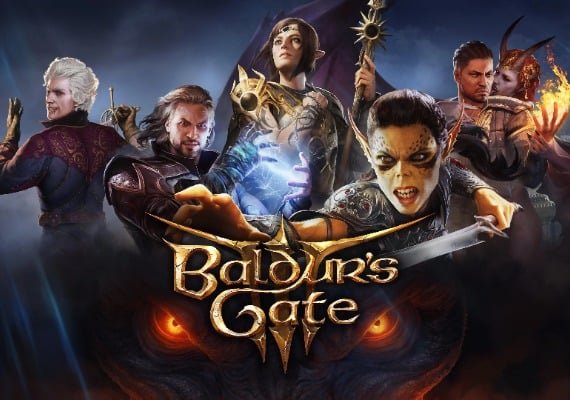
Command a party of flawed heroes in Baldur’s Gate 3, where the freedom of a tabletop RPG is realized in a vast, reactive world. Every dialogue choice, combat strategy, and moral decision branches the narrative, making your personalized campaign feel uniquely consequential.
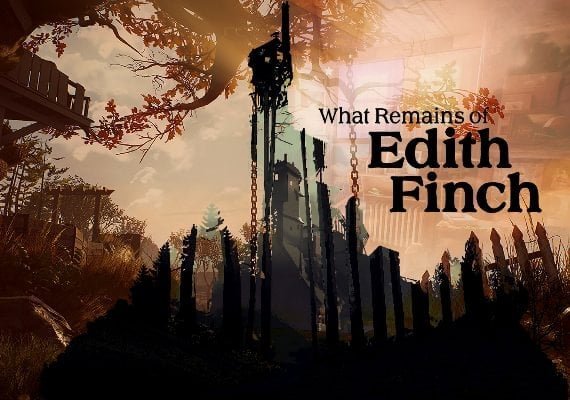
Unravel a family mystery across generations in What Remains of Edith Finch. This series of magical realist vignettes uses inventive gameplay mechanics as narrative devices, turning each short tale into an interactive puzzle about fate and memory.
Navigate the political intricacies of a fantasy realm in Dragon Age: Origins. This classic party-based RPG grounds its epic fantasy in difficult choices, where your strategy in dialogue and alliances carries more weight than tactical combat in determining the kingdom’s fate.
Which games have the most memorable narratives?
Planescape: Torment sets the benchmark, asking “What can change the nature of a man?” through its amnesiac immortal protagonist in a bizarre multiverse. Its text-heavy, philosophical journey remains unmatched for depth.
For a sprawling, player-driven epic, Disco Elysium is essential. As a detective with 24 unique skills arguing in your head, you reconstruct a murder and your own shattered identity through pure dialogue and skill checks, with zero combat.
Consider these masterclasses in interactive storytelling across genres:
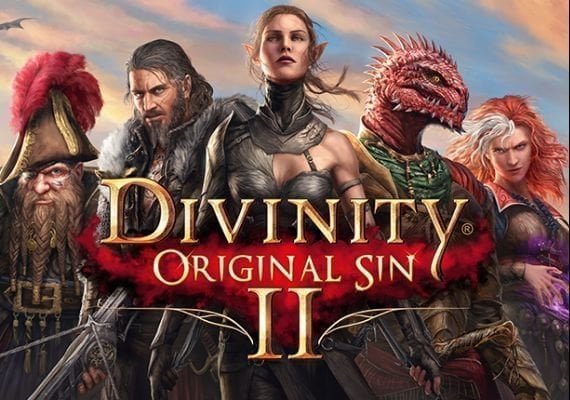
- Role-Playing Sagas: The Witcher 3: Wild Hunt delivers a morally grey open-world where side quests often rival the main campaign in emotional weight. Divinity: Original Sin 2 weaves player origin stories into a complex narrative of godhood and rebellion.
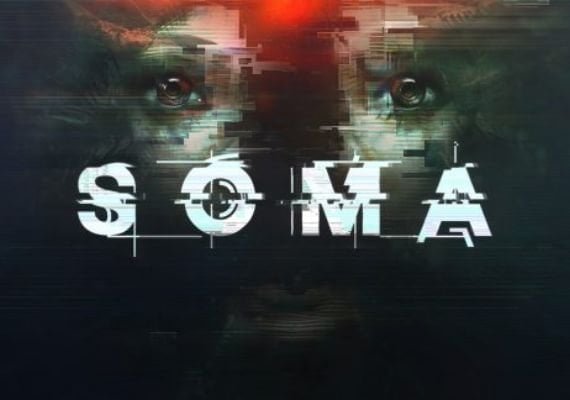
- Atmospheric Adventures: SOMA uses its deep-sea sci-fi setting to explore consciousness and existential horror through environmental storytelling and clever puzzle design. What Remains of Edith Finch builds a poignant family history through a series of unique, vignette-style interactions.
- Narrative Strategy & Simulation: Frostpunk is a city-building survival sim where narrative stakes are life-or-death societal choices. XCOM 2’s turn-based strategy campaign gains immense weight from the permanent bonds formed with your customized squad members.
These experiences prove that a compelling plot is not just about a twist, but about embedding the player’s decisions–moral, strategic, and exploratory–into the very fabric of the tale, creating stories that feel uniquely personal and linger long after the credits roll.
What titles offer deep character development and choice?
For a masterclass in reactive narrative, Disco Elysium stands unparalleled. Your amnesiac detective’s skills are personified voices that argue, shaping both your capabilities and worldview. Every dialogue choice and internal monologue can redefine the protagonist’s personality, creating a profoundly personal story-driven campaign where failure often leads to unexpected, brilliant outcomes.
The Divinity: Original Sin 2 RPG framework provides staggering agency. Your origin character’s backstory directly influences world interactions and available quest paths. Party members have personal ambitions and will challenge your decisions, while environmental puzzle solving and turn-based strategy combat reward creative, systemic thinking, making every playthrough distinct.
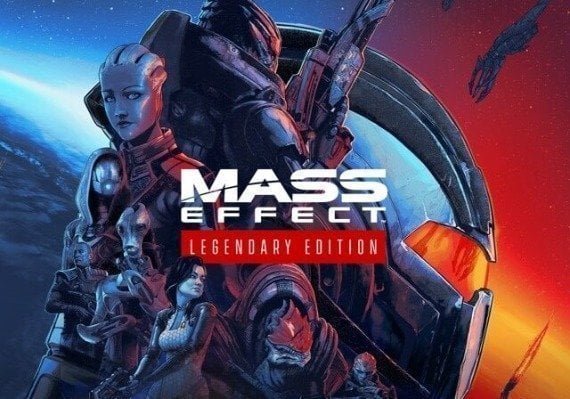
Mass Effect: Legendary Edition packages a trilogy where choices resonate across three full adventure epics. Relationships with your crew, forged through loyalty missions and dialogue, directly impact mission success and survival. This long-term consequence model makes your version of Commander Shepard uniquely yours, affecting galactic politics and final outcomes.
In the realm of simulation, RimWorld generates emergent character arcs through its AI storytellers. Each colonist possesses a detailed psychology–traits, passions, and relationships–that dynamically responds to events. Your managerial choices in crises will test their morals and resilience, crafting unforgettable, player-driven sagas of survival and community.
The adventure campaign of Planescape: Torment remains a benchmark. The central puzzle is the protagonist’s own identity, explored through philosophical dialogues and choices that question the nature of existence. Your actions don’t just change the story; they redefine the protagonist’s very essence and the fates of every companion you meet.
Finding immersive worlds with rich lore to explore offline.
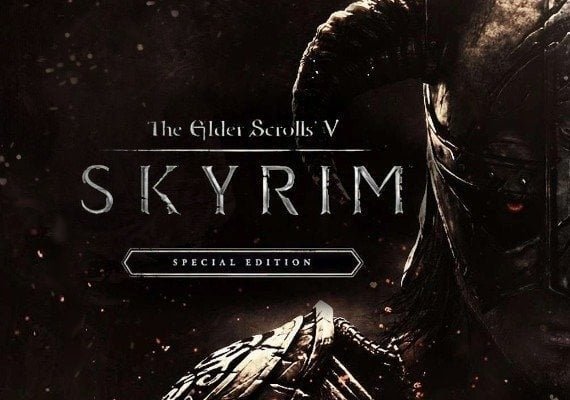
For a masterclass in environmental storytelling and deep, discoverable history, The Elder Scrolls V: Skyrim remains a benchmark. Its northern province of Tamriel is a living archive where every dungeon, book, and NPC dialogue fragment contributes to a coherent millennia-spanning mythology, from the Dragon Cult to the civil war, all accessible without a connection.
CD Projekt Red’s The Witcher 3: Wild Hunt constructs a morally complex continent where political intrigue, ancient elven ruins, and Slavic folklore collide. The lore isn’t just backdrop; it directly fuels side quests and character motivations, making exploration of its war-ravaged kingdoms a consistently narrative-rich adventure.
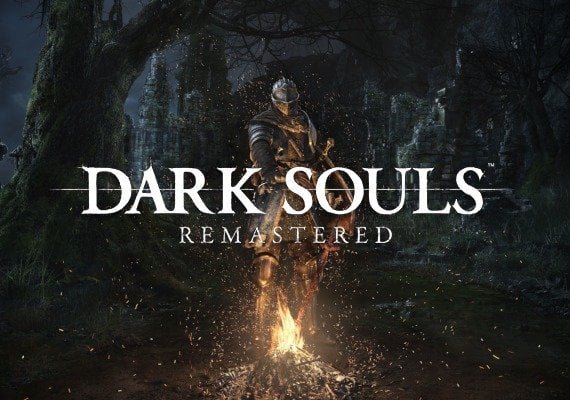
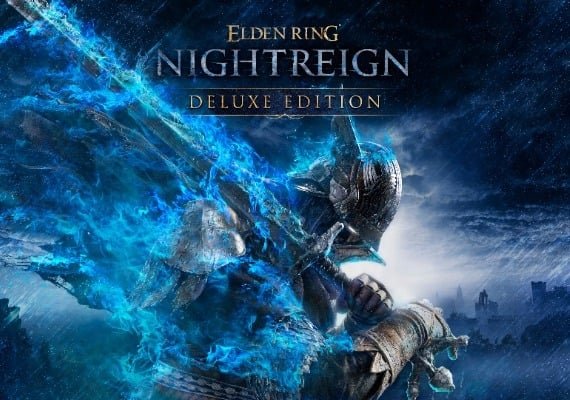
FromSoftware’s titles, particularly Dark Souls: Remastered and Elden Ring, offer a unique approach. Their fragmented, pieced-together narratives are hidden in item descriptions, cryptic dialogue, and world architecture. Unraveling the fall of kingdoms or the nature of the Erdtree becomes a core, rewarding strategy for engaged players.
For a focused, story-driven campaign within a dense setting, Disco Elysium presents the district of Martinaise. While not a traditional open-world, its every corner is packed with interactive lore about its political history, a mysterious pale, and a failed revolution, all explored through deep dialogue and skill checks.

Key titles for lore enthusiasts include:
- Fallout: New Vegas: Explore the factions and history of the Mojave Wasteland, where every community has a detailed story of survival and conflict since the Great War.
- Hollow Knight: Delve into the ruined insect kingdom of Hallownest, its tragic history of infection and monarchy revealed through subtle environmental cues and cryptic tablets.
- Dragon Age: Origins: Establish the foundational lore of Thedas through its codex entries and companion interactions, setting the stage for the series’ complex history of mages, templars, and darkspawn.
The depth of a game’s constructed history directly enhances immersion, turning simple exploration into a process of archaeological discovery and meaningful engagement with the game’s reality.
Top Offline Strategy and Management Games
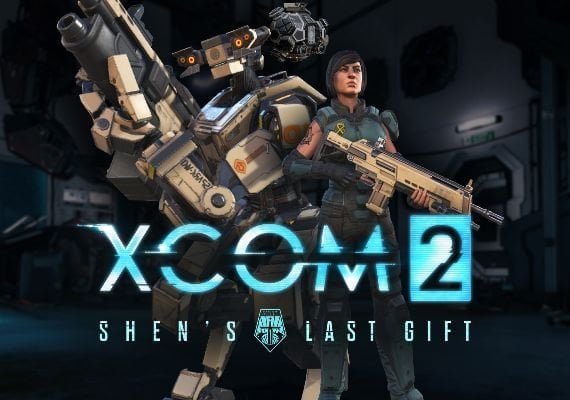
For those craving cerebral challenges, the turn-based tactics of XCOM 2 deliver relentless, high-stakes combat where every soldier’s survival feels personal, blending permanent consequences with deep tactical customization.
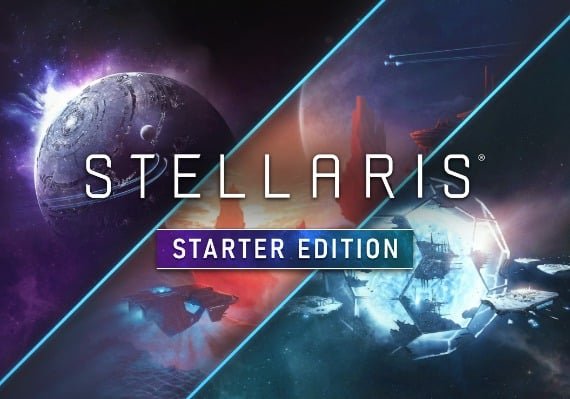
Master galactic empires in Stellaris, a grand strategy experience where you guide a civilization from its first ftl flight, managing diplomacy, warfare, and internal politics across a procedurally generated galaxy filled with emergent story-driven events.
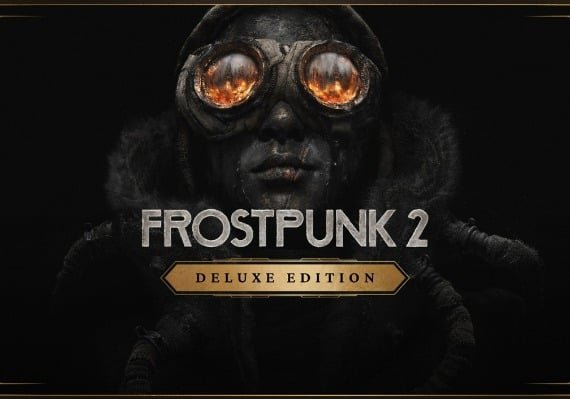
Test your logistical prowess in Frostpunk, a society survival title where managing resources and heat is secondary to making brutal ethical decisions to keep your last city alive in a frozen world, creating a powerful narrative through gameplay mechanics.
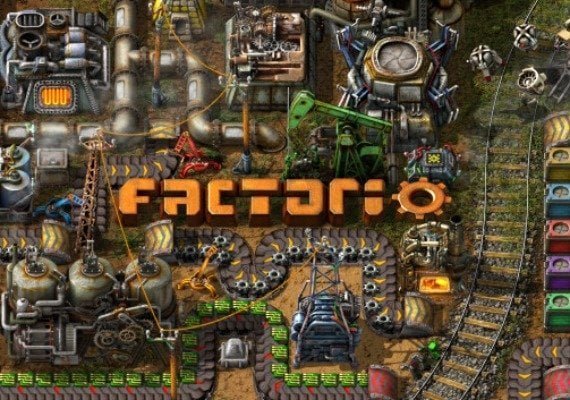
Dive into the intricate economic simulations of Factorio, a management masterpiece focused on building and optimizing complex automated factories on an alien planet, offering a deeply satisfying puzzle of efficiency and expansion against native wildlife threats.
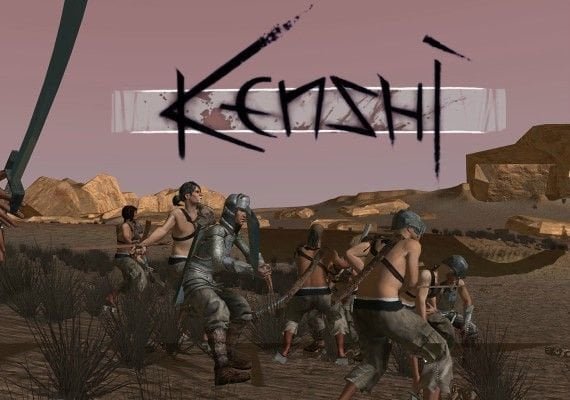
Experience a unique blend of genres with Kenshi, a squad-based rpg set in a vast, punishing open-world where you manage characters with no predefined hero, building a base, training skills, and forging your own adventure through trade, theft, or conquest.
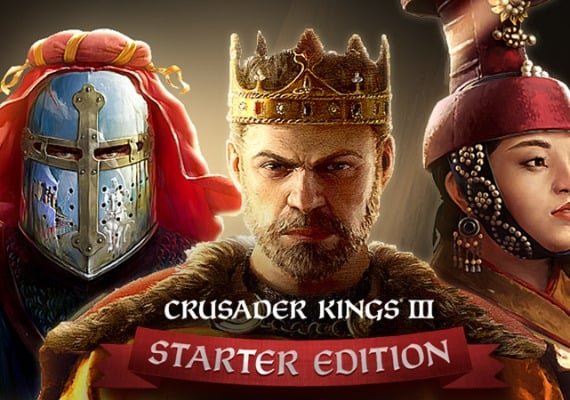
Reign over a fantasy kingdom in Crusader Kings III, a dynasty simulator where long-term strategy intertwines with intimate personal dramas, making alliances, managing vassals, and securing your bloodline’s legacy through generations of rich, character-driven storytelling.
Best city-builders and civilization simulators without online requirements.
For a foundational experience, Frostpunk redefines the genre by merging intricate city management with a powerful, story-driven survival narrative. Every decision, from enacting harsh laws to managing scarce coal reserves, carries profound moral weight as you guide the last city on a frozen Earth.
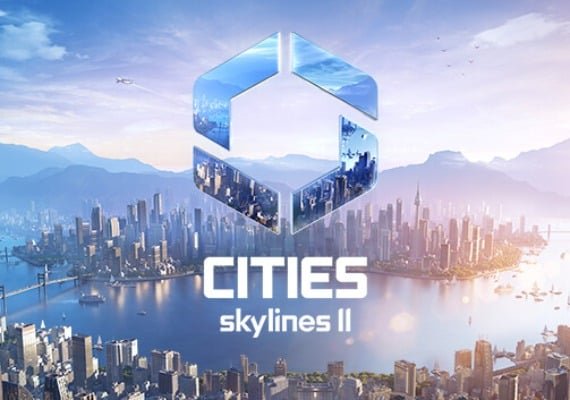
Delve into the intricate mechanics of Cities: Skylines, a definitive traffic and urban planning simulator. Its deep simulation of citizen behavior, coupled with a massive modding community, allows for the creation of breathtakingly functional and aesthetically unique metropolises entirely on your local machine.
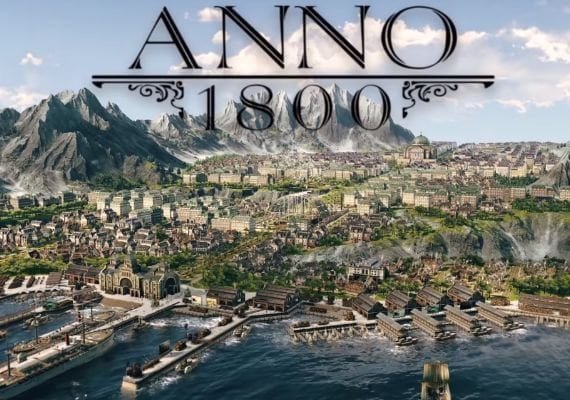
The Anno 1800 campaign provides a rich, historically-inspired economic puzzle. Mastering complex production chains across multiple islands to satisfy the evolving demands of your populace offers a deeply engaging logistical challenge that requires no persistent connection.
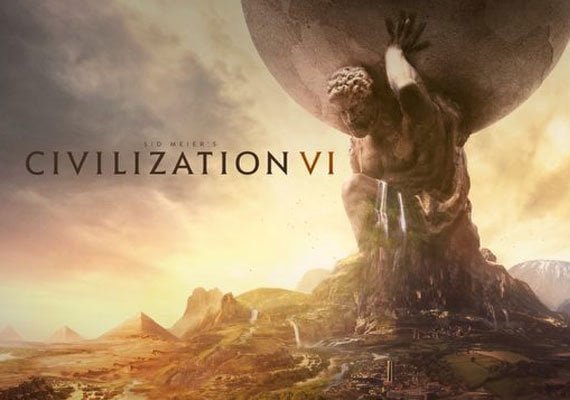
For grand strategic empire-building, Sid Meier’s Civilization VI stands unparalleled. The turn-based journey from a single settlement to a dominant world power through research, culture, and diplomacy offers near-infinite replayability, with each session writing its own unique historical saga.
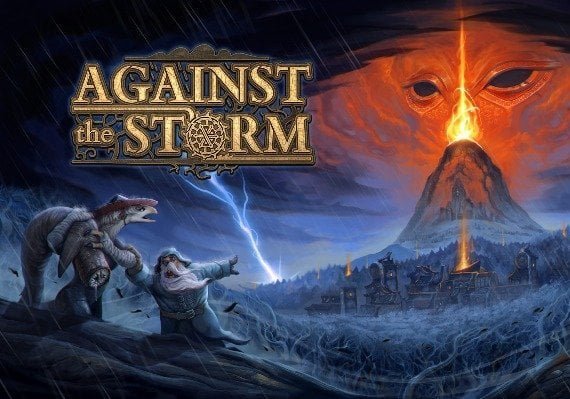
Against the Storm innovates by combining roguelite elements with city-building. As a Viceroy of the Scorched Queen, you establish and manage settlements in a haunted, rain-drenched woodland, with each playthrough featuring different maps, challenges, and a compelling meta-progression system that unfolds a larger world narrative.
Experience the sheer scale and depth of RimWorld, a colony simulator driven by an intelligent AI storyteller. Managing the needs, relationships, and breakdowns of your colonists in a hostile, procedurally-generated world creates emergent, personal tales of survival, tragedy, and triumph that are uniquely your own.
Complex turn-based tactics games for long play sessions
For those seeking a deep mental challenge, XCOM 2 remains a pinnacle, blending unforgiving tactical combat with a strategic global layer where managing resources and research is as critical as battlefield positioning. Its permadeath mechanics for soldiers foster intense emotional investment, turning each mission into a high-stakes puzzle.
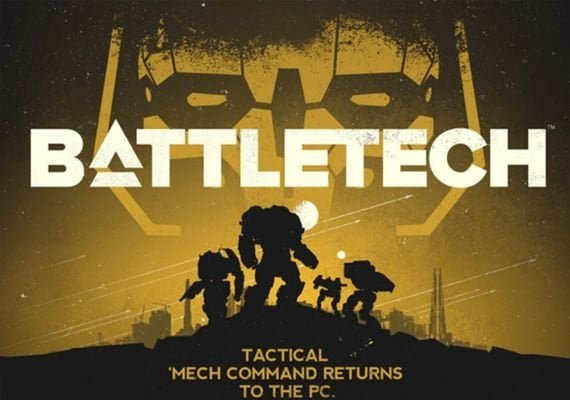
The Battletech title by Harebrained Schemes delivers a heavyweight simulation of commanding a lance of iconic ‘Mechs. Beyond the intricate combat factoring in heat, stability, and localized damage, the game is a demanding company management strategy experience, where repair costs, negotiation for contracts, and crew morale directly impact your ability to survive in a mercenary-driven narrative.
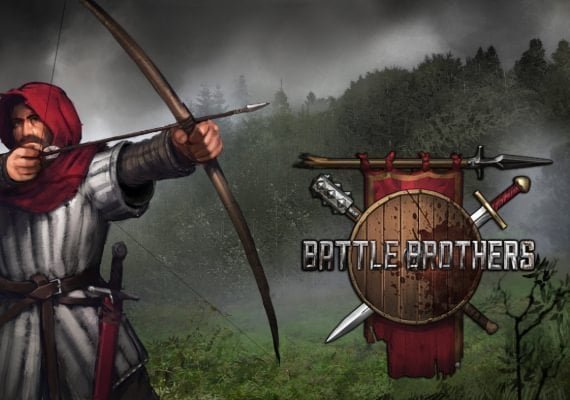
Diverging from sci-fi, Battle Brothers presents a gritty low-fantasy sandbox. This hybrid of turn-based tactical rpg and strategic company management offers a brutally rewarding loop. You hire and develop a band of mercenaries with diverse backgrounds, outfitting them with a vast array of weapons and armor, facing dynamic crises and legendary locations in a world that feels alive and indifferent to your existence.
| Title | Core Tactical Focus | Strategic Layer | Estimated Campaign Length |
|---|---|---|---|
| XCOM 2: War of the Chosen | Squad-based cover and ability synergy | Geoscape management, base building, research | 50-80 hours |
| Battletech (with Heavy Metal DLC) | Mech warfare, heat and stability management | Mercenary company finances, mech customization & repair | 60-100 hours |
| Battle Brothers | Formation-based combat, weapon mastery | Procedural contract system, economic trading, permanent injury management | Open-ended (100+ hours) |
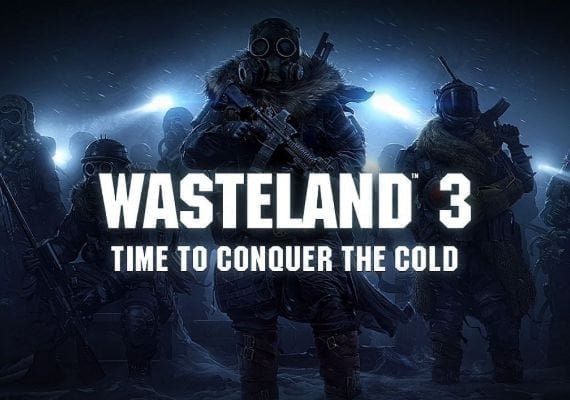
For a narrative-driven adventure within the genre, Wasteland 3 expertly merges deep party-based tactical combat with consequential role-playing choices. Your decisions significantly alter the story’s trajectory, faction alliances, and world state, creating a highly replayable experience where character builds and dialogue checks are as vital as combat prowess.
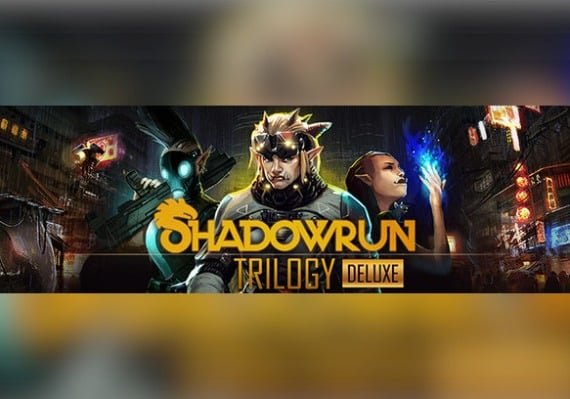
The Shadowrun Trilogy offers a condensed but rich cyberpunk-fantasy experience, focusing on tightly designed missions where planning, hacking, and conversation can circumvent direct conflict. Its strength lies in delivering a compelling rpg narrative with meaningful character progression within a turn-based tactical framework, perfect for methodical players.
Question-Answer:
What are some of the best story-driven offline games that feel like playing through a great movie or book?
Several offline PC games excel at narrative. “The Witcher 3: Wild Hunt” is often the first recommendation, with its mature, branching story and rich world. For a more linear, cinematic experience, the “Red Dead Redemption 2” campaign is unparalleled in its detail and character depth. If you prefer a narrative shaped by your choices, the “Mass Effect” Legendary Edition offers a complete trilogy where decisions carry over. Games like “Disco Elysium” provide a completely dialogue-driven, novel-like experience, while “What Remains of Edith Finch” is a shorter, poignant story about family memories.
I’m going on a long trip with my laptop. What are good offline games that don’t need a powerful graphics card?
Many excellent games are designed to run on integrated graphics. Classic role-playing games like “Fallout: New Vegas” or “Star Wars: Knights of the Old Republic” have deep systems and stories without demanding hardware. For strategy, “Into the Breach” and “FTL: Faster Than Light” offer immense replayability. “Stardew Valley” is a perfect time-sink for relaxation. If you want a modern challenge, “Hades” runs well on many systems and combines fast action with persistent story progression. “Terraria” is another massive sandbox game that performs on almost any computer.
Which single-player games have the most content and can keep me busy for hundreds of hours?
Games with near-endless content typically fall into a few categories. Open-world RPGs like “The Elder Scrolls V: Skyrim” or “The Witcher 3” have massive base games plus huge expansion packs. Management and simulation games are famous for this: “RimWorld” and “Factorio” generate unique stories and complex factories that can consume vast amounts of time. “No Man’s Sky,” after years of updates, now offers a practically infinite universe to explore offline. For a more traditional approach, “Persona 5 Royal” delivers a single, meticulously crafted story that easily exceeds 100 hours.
Are there good offline games that focus on exploration and discovery rather than combat?
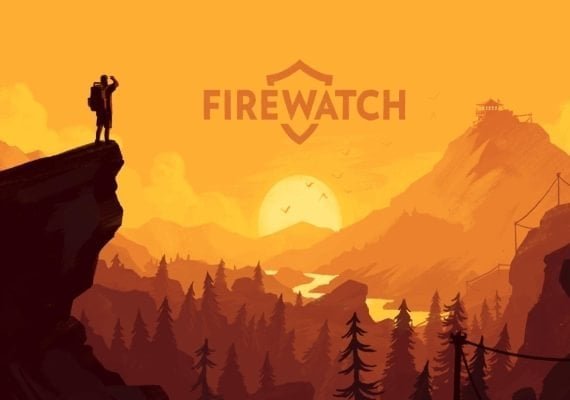
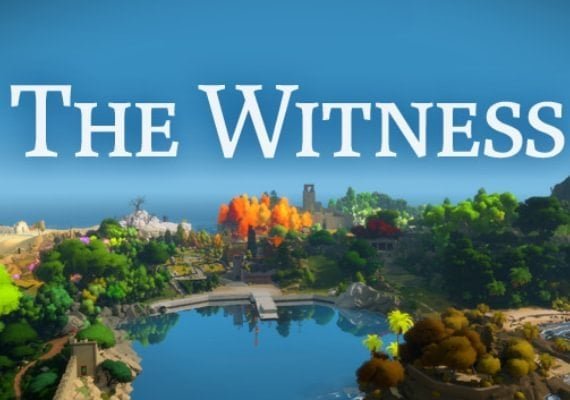
Absolutely. “Subnautica” is a prime example, where you explore an alien ocean, managing resources and uncovering a story through environmental clues, with danger present but combat not the focus. “Outer Wilds” is a puzzle-exploration game about a solar system stuck in a time loop, where knowledge is your only progress. “Firewatch” is a narrative walk through a beautiful wilderness, driven by conversation. “The Witness” is a pure puzzle game set on a serene island, with exploration rewarding you with new puzzles. “Sable” is a peaceful coming-of-age story about gliding and exploring a desert world.
Can you recommend some challenging offline games for when I want a tough but fair test of skill?
For a demanding skill-based challenge, the “Dark Souls” series and “Sekiro: Shadows Die Twice” are benchmarks, known for precise combat and rewarding mastery. “Celeste” is a platformer with extremely tight controls and difficult, optional chapters. “Hollow Knight” merges this precise challenge with exploration in a vast, interconnected world. “XCOM 2” provides a strategic test where managing your squad and resources is as tense as the turn-based combat. “Dead Cells” offers a fast-paced action challenge where you learn from each attempt to progress further in its roguelike structure.